What will the sword do?
Display, collection, training, and carefully supervised cutting require different products and different safety expectations.

TopKatana Knowledge Hub
Buying, steel, features, and price explained in one long-term resource for choosing a katana with better evidence and fewer guesses.
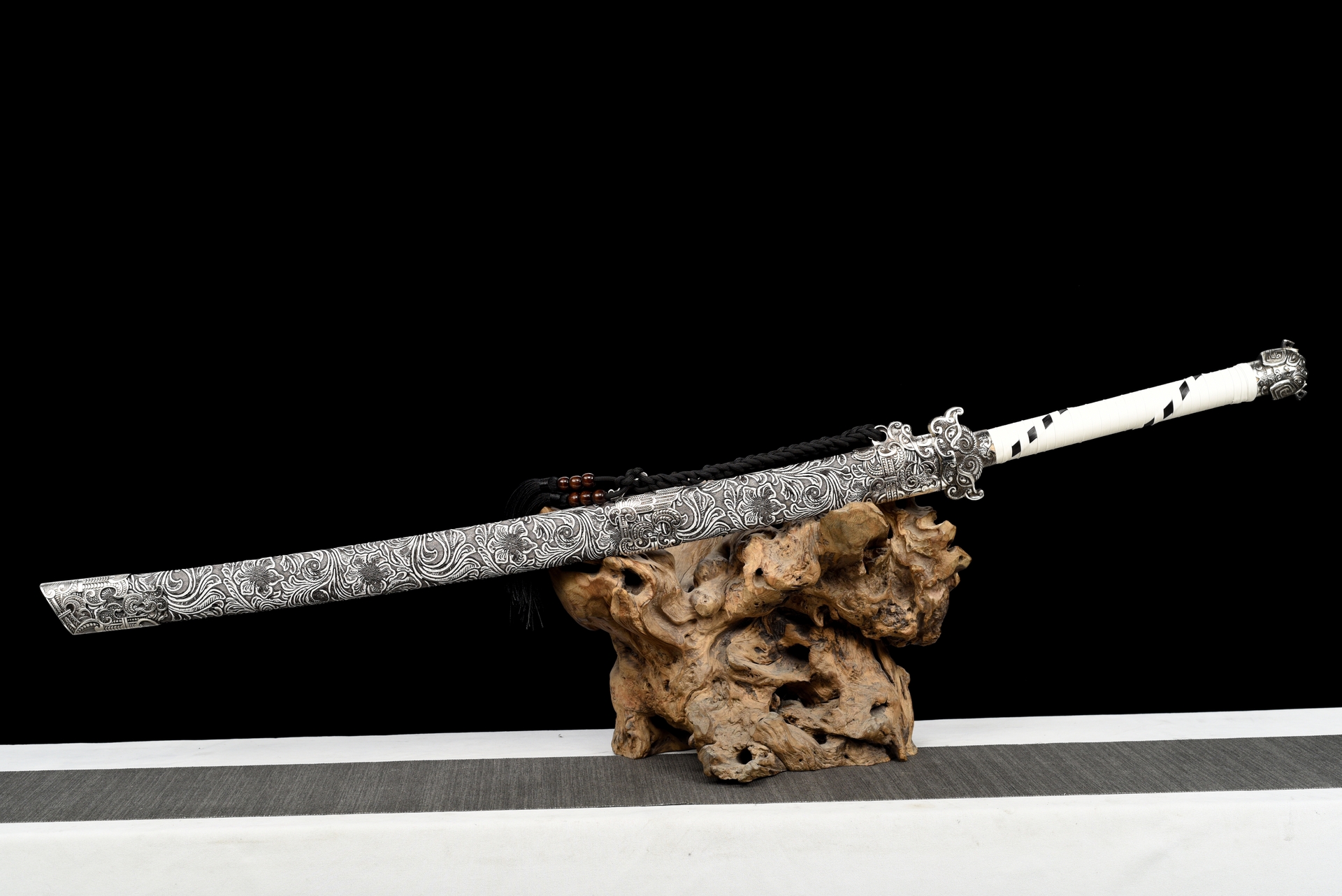
TopKatana Guides is the knowledge hub for buyers who want a sword that fits their use case, budget, and maintenance expectations. It should be updated as pricing, customer questions, and cornerstone articles evolve.
Before comparing decorative details or steel names, answer these three questions.
Display, collection, training, and carefully supervised cutting require different products and different safety expectations.
Look for steel, tang construction, heat treatment, blade dimensions, weight, photos, and return policy.
Better pricing decisions come from evidence, not from words like real, premium, or battle ready by themselves.
These three cornerstone articles are the first resources to connect from this hub.
Use this when you need realistic budget bands and a way to judge whether a listing earns its price.
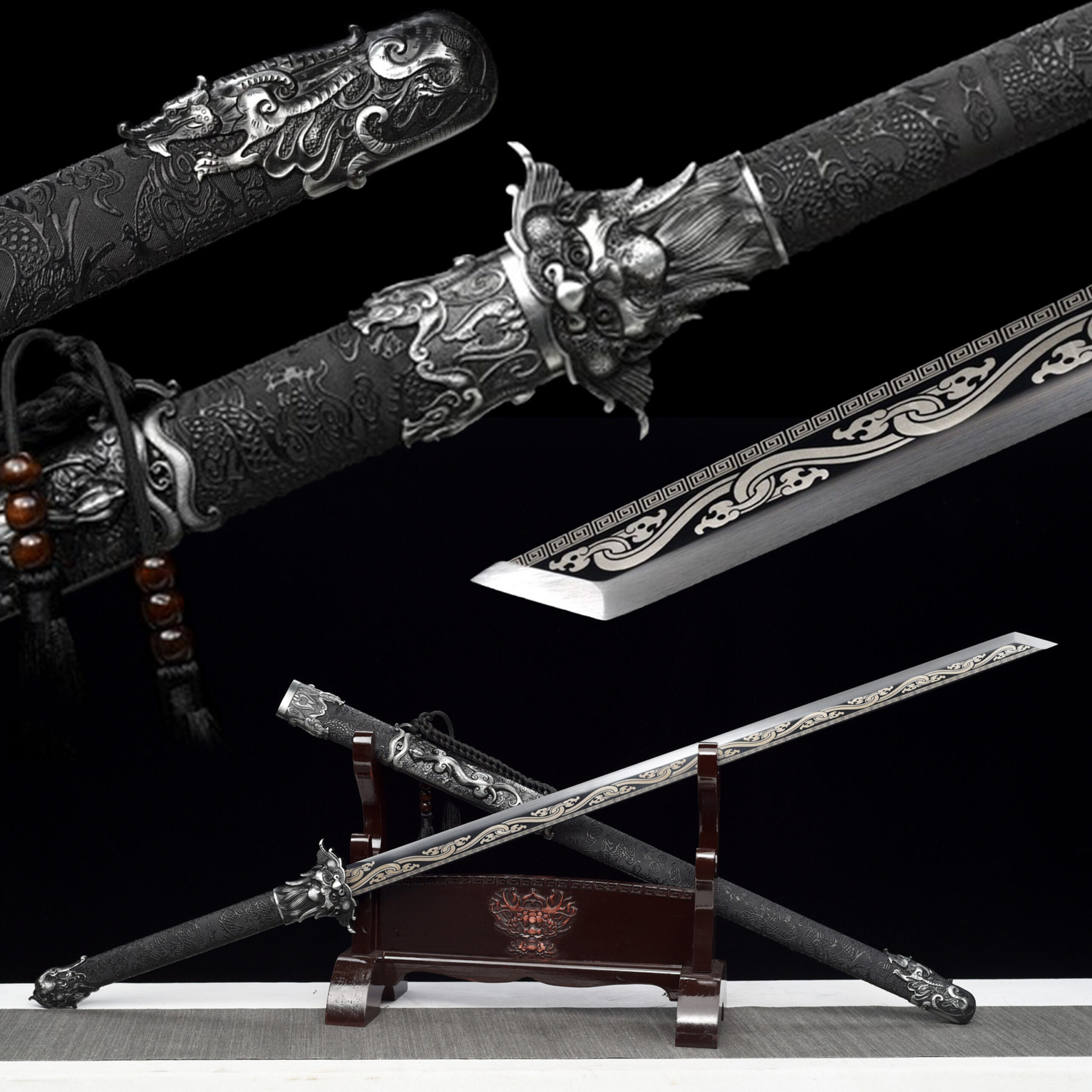
Choose a beginner katana by use case, steel, tang, length, weight, edge, and budget.
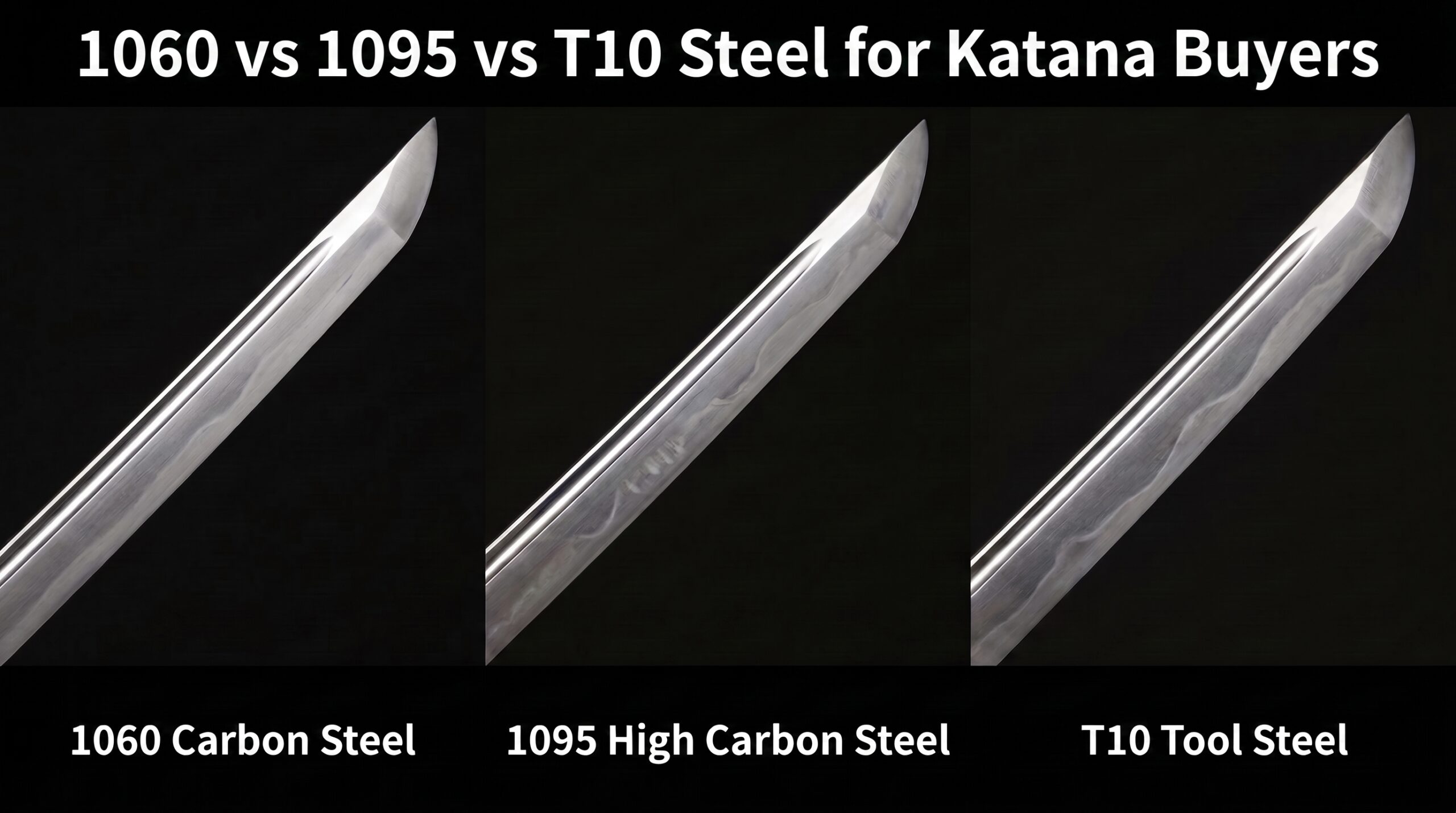
Use this when a product page lists steel types and you need to understand toughness, edge retention, maintenance, and value.
Use the question closest to your current buying decision.
| Buyer question | Start with | What to check next |
|---|---|---|
| How much should I spend? | Katana price guide | Intended use, construction proof, seller support |
| Which steel should I choose? | 1060 vs 1095 vs T10 guide | Heat treatment, geometry, maintenance |
| Is this functional or decorative? | Listing proof checklist | Tang, steel, assembly, safety language |
| Why does this cost more? | Price explanation | Polish, fittings, consistency, documentation |
| What features matter? | Feature glossary | Saya fit, tsuka wrap, tsuba, balance, blade length |
A simple framework keeps buyers from overvaluing one spec and missing the product evidence.
A display sword can prioritize appearance. A training tool should prioritize safety and suitability. A functional live blade needs construction proof and responsible ownership.
Steel names help, but they are only the start. Tang construction, heat treatment, geometry, and assembly decide whether the finished sword is trustworthy.
Budget bands work best when they describe expected proof. A higher price should show better finishing, maker detail, documentation, or support.
Use this as a first pass, then read the full steel comparison.
| Steel | Buyer shorthand | Watch out for |
|---|---|---|
| 1060 | Forgiving first functional choice | Do not assume all 1060 blades are equal |
| 1095 | Harder edge potential | Higher maintenance and lower margin for poor heat treatment |
| T10 | Balanced upgrade | Marketing can overstate the upgrade |
Use price bands as evidence expectations, not automatic quality rankings.
| Budget | Common buyer task | Evidence to expect |
|---|---|---|
| Under $150 | Display or cautious first look | Use-case clarity, materials, returns |
| $150-$300 | Entry functional purchase | Tang, steel, dimensions |
| $300-$600 | Documented functional ownership | Fit, finish, consistency, support |
| $600+ | Enthusiast, custom, or collector category | Maker detail, polish, provenance, authentication |
Short explanations for common product-page terms.
The blade steel continues into the handle. It is a useful structural signal, but assembly still matters.
The process that balances hardness, toughness, and edge behavior. Steel choice is incomplete without it.
A heat-treatment approach that can create different hardness zones and sometimes a visible hamon.
The scabbard. Fit affects storage and handling because loose or overly tight fit can create problems.
The handle. Wrap tightness, core fit, and overall assembly affect feel and safety.
The guard. It contributes to aesthetics, balance, and hand protection, but should not distract from blade proof.
Review this page when a new cornerstone guide is published, when price bands need revision, or when customer questions reveal a missing explanation.
If budget is the main concern, start with the katana price guide. If the product page focuses on steel, start with the 1060 vs 1095 vs T10 comparison.
No. 1095 can offer stronger edge potential, but 1060 is often more forgiving for first-time functional buyers. Heat treatment, geometry, and construction still decide the finished sword.
Price can rise because of better finishing, fittings, polish, consistency, maker detail, customization, documentation, or provenance. Decoration alone does not prove better quality.
Do not assume that. A display sword may not be built for impact. Only use a blade for cutting if the seller clearly documents functional construction and you have proper training and conditions.
A katana is a weapon, not a casual prop. Follow local laws, store sharp blades securely, and do not use a live blade without proper training, space, and target discipline.