
Uncategorized
Best Katana for Beginners: How to Choose a Safe First Sword
Sep
A beginner katana should match your real purpose before it matches your favorite style. For a first purchase, the useful question is not "Which sword is best for everyone?" It is "Which sword fits my use case, maintenance comfort, handling expectations, and safety requirements?"
This guide keeps that order. It explains how first-time buyers can compare steel, tang construction, weight, edge status, Bo-hi, and display value before moving into product recommendations. The recommendation block below uses the shared PRODUCT_RECOMMENDATIONS module and local TopKatana SKU evidence only. Prices, stock, shipping, reviews, and local legal fit must be verified before purchase. For the budget side of the purchase path, start with the katana price guide and then compare steel facts.
Editorial responsibility: This guide is maintained by the TopKatana Editorial Team, an accountable brand editor for TopKatana buying guides. See the TopKatana about page for site ownership context. Privacy and data-use information should remain available from the site's policy page during publication QA.
Key Takeaways
- Start with purpose: display, collection, supervised cutting practice, gift, or safer training alternative.
- A first katana should have clear steel, tang, length, edge, and weight information before you treat it as a serious purchase.
- Spring steel examples can be easier to evaluate for first-time handling because the verified set includes a lighter 2.54 lb option.
- High manganese steel examples can appeal to buyers who want dramatic styling, but the verified examples here are heavier at 4.0 to 4.2 lbs.
- If the buyer wants training first, a bokken or unsharpened practice path may be a better first step than a live blade.
Quick Answer: What Is the Best Katana for Beginners?
The best katana for beginners is the one that fits the buyer's purpose with the fewest unknowns. A display-first buyer should not pay for performance claims they will never use. A practice-focused buyer should not buy a sharp sword without instruction, storage planning, and confirmation of local rules. A gift buyer should choose simple verified facts over dramatic listing language.
For most first-time buyers, start with four checks:
- Use case: display, collection, supervised practice, or gift.
- Evidence: steel, tang, edge, length, weight, and category should be listed.
- Handling comfort: heavier swords can feel impressive, but weight matters for beginners.
- Safety fit: live blades require secure storage, careful handling, and local law verification.
If budget is still unclear, read the katana price guide before comparing individual swords.
How Beginners Should Choose Their First Katana
Choose the first katana by decision risk, not by visual impact alone. A sword can look refined and still be a poor match if the buyer needs a lighter blade, an unsharpened practice tool, or a display piece that will never be handled.
Use this sequence before comparing products:
- Decide the role. Is the sword for display, collection, supervised practice, or a gift?
- Separate live blade from training tool. If the buyer is learning movement, a bokken or iaito-style path may be safer than a sharp blade.
- Check the construction facts. Steel type, tang, edge, length, and weight should be explicit.
- Match weight to confidence. A first-time buyer should verify whether a 4 lb sword fits their handling expectations.
- Treat missing fields as missing. If weight, edge, stock, or local legality is unclear, mark it as a buying question.
This keeps the page useful without turning "beginner" into a fake performance rating. Beginner-friendly means easier to evaluate and easier to match to a real buyer branch. It does not mean safe for every user or legal in every location.
Beginner Decision Matrix
Use this matrix as a first-pass route, then verify the product page before buying.
| Buyer situation | Better first path | Evidence to check | Next step |
|---|---|---|---|
| Wall display or collection value | Decorative or collector-leaning katana | Materials, dimensions, display needs, edge status | Compare with decorative vs functional guidance when that page is published |
| First functional steel katana | Full tang steel katana with listed weight and edge | Steel, tang, edge, weight, storage, local rules | Browse the steel katana category |
| Movement or forms training | Bokken or unsharpened practice path | Instructor guidance, training rules, practice environment | Treat bokken guidance as a planned route until the page is published |
| Gift purchase | Simple verified specs and a clear safety note | Recipient age, local rules, storage, sharpness | Start with verified specs rather than style alone |
| Unsure about sharp blade ownership | Research first, buy later | Maintenance, safe storage, legal restrictions | Review current state-law resources before purchase |
Training alternatives matter because a first-time buyer may be trying to learn movement rather than own a sharp sword immediately. Until TopKatana publishes a dedicated bokken guide, keep that route as a planned internal destination, not a live link.
Steel and Construction Checks
Steel matters, but beginners should not shop by steel name alone. A useful listing should connect the steel to other construction facts, especially tang, edge, length, and weight. A vague "carbon steel" claim is weaker than a product record that lists the exact steel family and the rest of the build.
For this page, the verified product recommendations focus on high manganese steel, with each SKU tied to local product records and rendered through the shared recommendation card template. Those labels are useful because they are tied to SKU-level specifications in local product records.
Check these fields before treating any katana as a serious candidate:
- Type of steel: listed as a specific material, not just "metal" or "high quality steel."
- Tang: full tang is listed for the examples used here.
- Edge: sharp, unsharpened, or hand-sharpened status should be explicit.
- Overall length and blade length: confirm that the sword size fits display space and handling expectations.
- Weight: if it is missing, keep it missing until verified.
- Bo-hi: useful as a structural and handling detail, but not proof that the sword is safer or better.
For deeper steel tradeoffs, use the 1060 vs 1095 vs T10 steel guide.
Weight, Length, Tang, Edge, and Bo-hi Tradeoffs
Beginners often notice blade finish first, but the practical checks sit in the spec table. The verified examples in this page range from a 40.6 inch, 2.54 lb spring steel katana to high manganese steel examples listed at 4.0 to 4.2 lbs.
That difference matters. A heavier sword can feel substantial in display or collection, but a first-time buyer should not assume it will feel easier to manage. If the buyer expects supervised handling, the listed weight deserves as much attention as the blade color.
Tang and edge status are also not decorative details. Full tang appears in all three examples below, but that does not remove the need for safe handling. Razor sharp and hand-sharpened edge descriptions mean the buyer should plan storage, transport, and local verification before purchase.
Bo-hi is a good example of why evidence boundaries matter. A listed Bo-hi feature can be discussed as a design detail, but it does not prove that a sword is lightweight or safer. Buyers should verify the product’s weight before assuming it fits their handling preference.
The same evidence rule applies to maintenance. Carbon and steel swords generally need dry storage and oiling routines, and Sword Buyers Guide's sword care resource explains why moisture control matters for sword ownership (Sword Buyers Guide, retrieved 2026-08-31). This page does not turn that general care principle into a claim about any single SKU.
What Beginners Should Avoid
Beginners should avoid buying from vague claims. The risky pattern is not a low price by itself. The risky pattern is missing construction detail, unclear edge status, no weight, no category context, and no way to confirm whether the sword fits the buyer's location and use case.
Avoid these shortcuts:
- Treating "battle ready" as a complete safety claim.
- Choosing only by color, motif, or photos.
- Assuming a sharp sword is the right first training tool.
- Ignoring weight because the sword looks balanced in pictures.
- Treating missing price, stock, shipping, or legal details as settled.
- Buying a gift without confirming storage and recipient readiness.
For buyer education around functional versus display intent, keep decorative vs functional katana as a planned internal route until the page is published. For live browsing, use the main katana category.
Verified Beginner-Friendly Examples
These are not absolute rankings. They are evidence-backed examples rendered through the shared PRODUCT_RECOMMENDATIONS module.
Verified examples
Beginner-friendly katana examples
Three verified SKU paths for first-time buyers. Compare the facts, then verify price, stock, and local rules before buying.
Featured recommendation
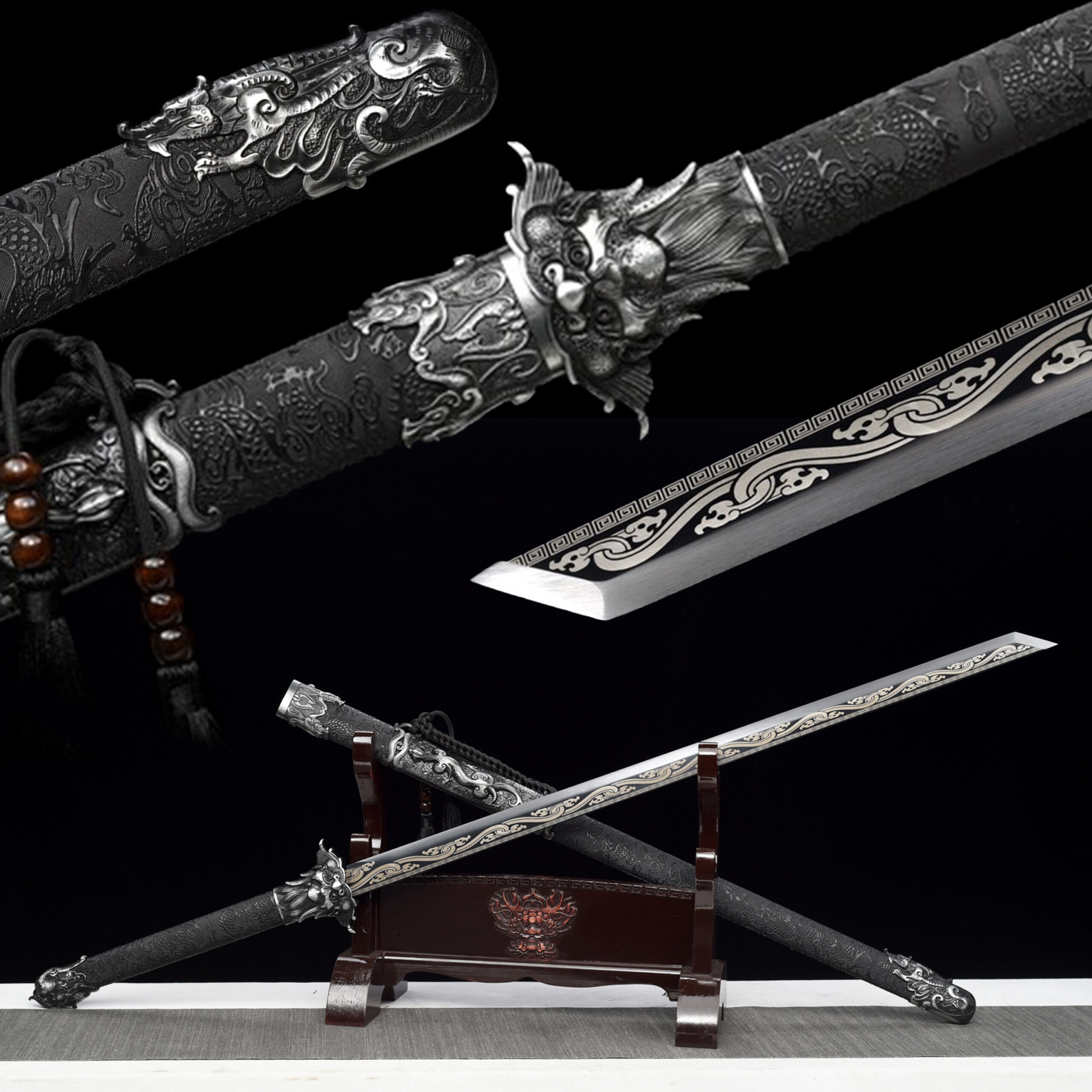
The Night Stalker Katana
A full-tang high manganese steel katana with a black etched finish, a black leather-wrapped hardwood scabbard, and a 4.0 lb listed weight.
At a glance
Featured recommendation
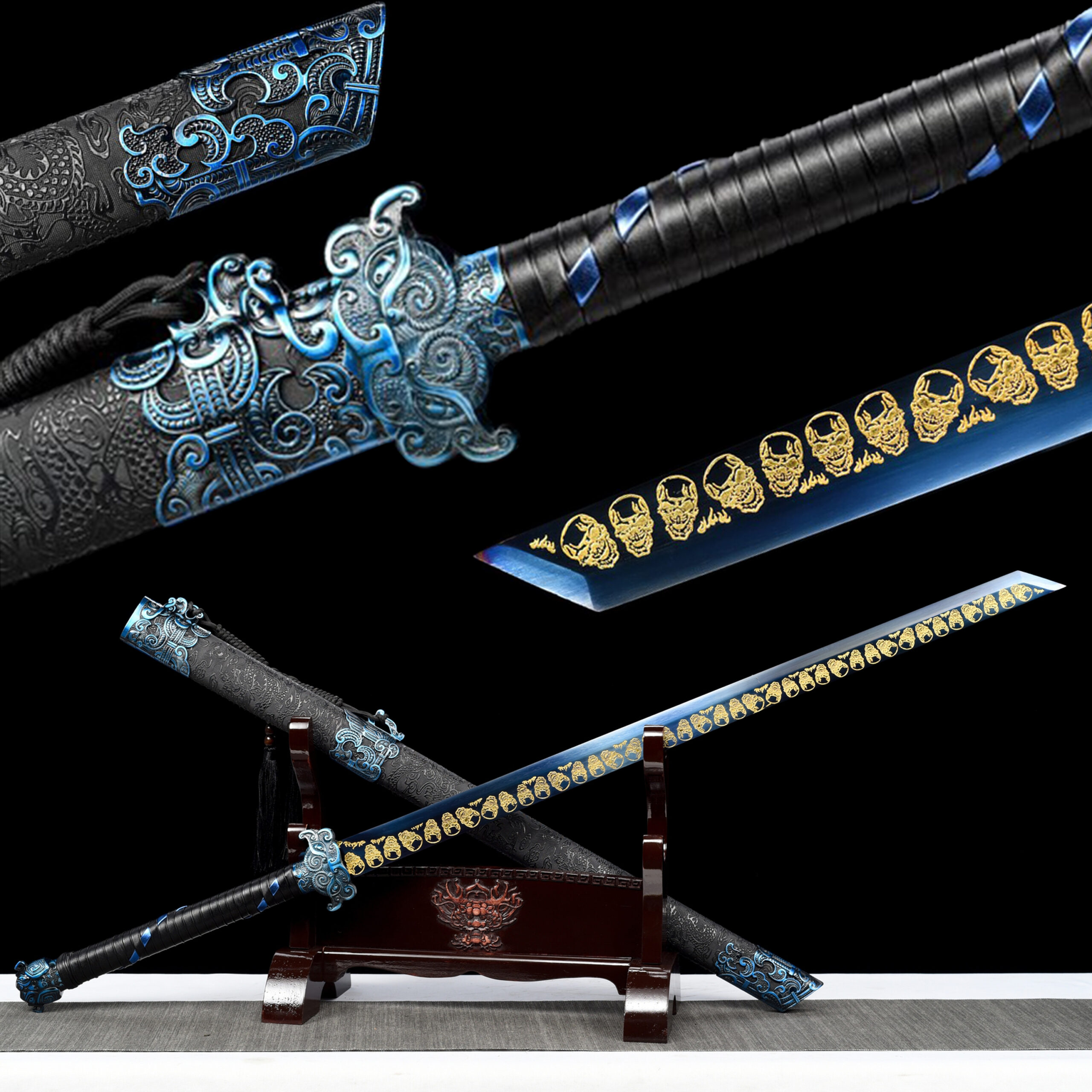
The Revenant Katana
A full-tang high manganese steel katana with a roasted-blue finish, a black dragon-patterned leather scabbard, and a 4.2 lb listed weight.
At a glance
Featured recommendation
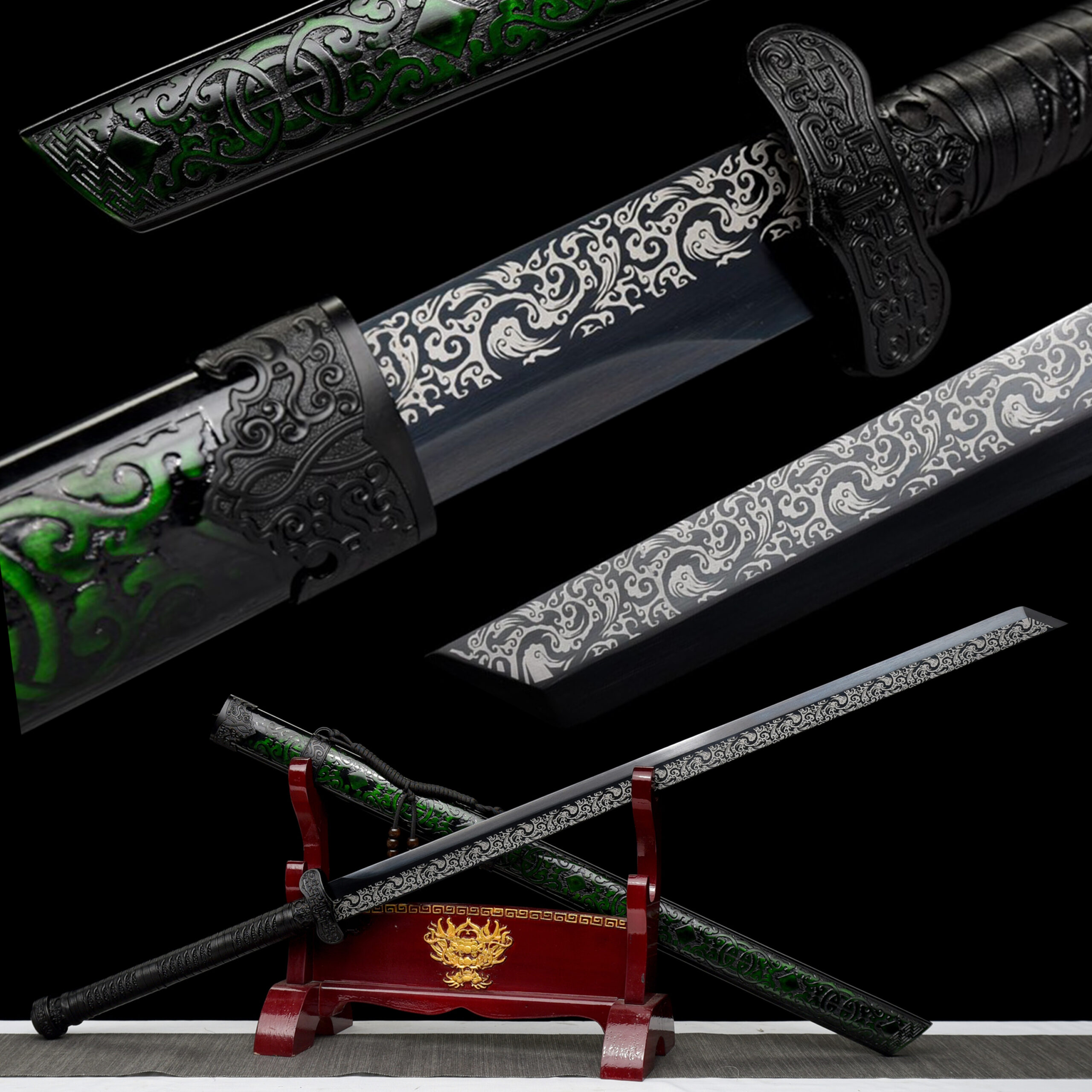
Qian Mo II Katana
A full-tang high manganese steel katana with a premium lacquer scabbard, a hand-sharpened edge, and a 4.2 lb listed weight.
At a glance
Related Next-Step Pages
Use the next page based on the question you still need answered:
- Katana price guide for budget planning before product comparison.
- 1060 vs 1095 vs T10 steel guide for steel tradeoffs.
- Main katana category for live product browsing.
- Steel katana category for steel-focused browsing.
Safety and Legal Verification Note
A katana is not a casual object just because it appears in a collector catalog. Sharp blades require secure storage, careful handling, and responsible transport. This guide explains buying criteria and evidence boundaries only. It does not provide cutting instruction, combat instruction, modification advice, or legal advice.
Before buying, confirm current product details on the product page, ask support about any missing fields, and check the rules that apply in your city, state, country, training space, or event venue. Knife and sword rules vary by jurisdiction; AKTI's state knife law directory is a starting point for state-level checks, not a substitute for legal advice (American Knife & Tool Institute, retrieved 2026-08-31). For a beginner-oriented outside buying reference, Sword Buyers Guide also emphasizes starting with practical fit and clear expectations rather than buying by drama alone (Sword Buyers Guide, retrieved 2026-08-31).
FAQ
Should a beginner buy a sharp katana?
Not always. A sharp katana may make sense for a collector who understands storage and safety, but a person learning movement may be better served by a bokken or unsharpened practice path first.
Is spring steel good for a beginner katana?
A steel label can be useful for a beginner only when the product record clearly lists the steel, tang, edge, weight, and length. The three examples below keep those verified fields visible and leave missing purchase details open for confirmation.
Is high manganese steel good for beginners?
High manganese steel can be a valid choice when the buyer wants a functional steel example with strong visual styling, but the verified examples here are heavier than the spring steel example. Beginners should verify comfort and purpose before choosing a 4.0 to 4.2 lb sword.
What katana weight should beginners choose?
There is no single correct weight for every beginner. The practical rule is to avoid guessing. Compare listed weights, consider whether the sword will be displayed or handled, and verify missing weight fields before purchase.
Does full tang mean a katana is safe?
No. Full tang is an important construction field, but it is not a complete safety guarantee. Edge status, fit, maintenance, storage, buyer training, and local rules still matter.
What should gift buyers check first?
Gift buyers should check edge status, storage needs, recipient readiness, and local restrictions before choosing style. A sword that looks impressive can still be the wrong gift if the practical details are unresolved.
Final Recommendation
For a first katana, choose the path with the clearest evidence and the fewest unresolved risks. If you want a functional steel example with listed weight, start by comparing spring steel and high manganese steel options. If you are still learning handling basics, look at training alternatives before buying a live blade.
Primary CTA: Compare beginner-friendly steel katanas.
Secondary CTA: Check the katana price guide before choosing a budget.
